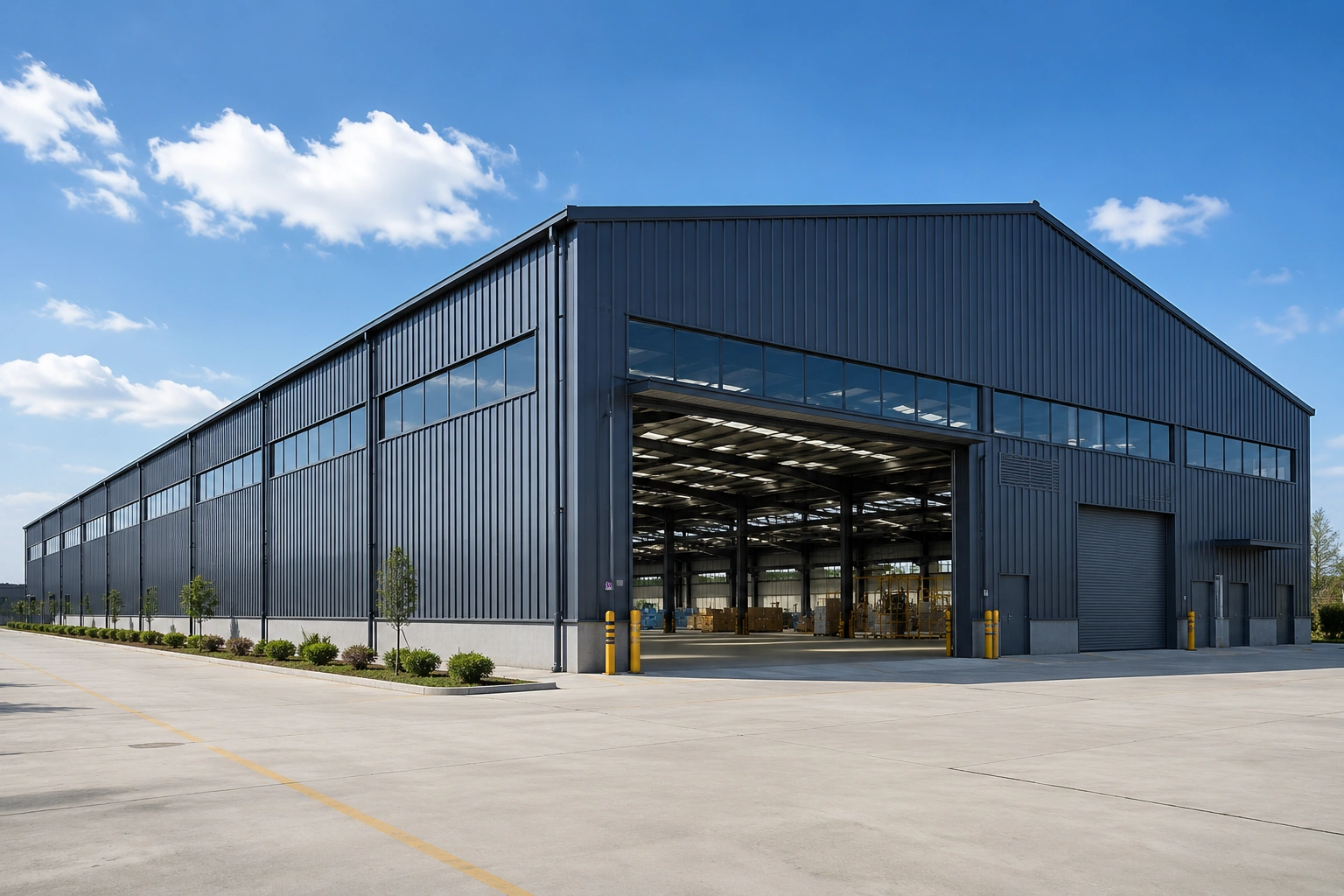
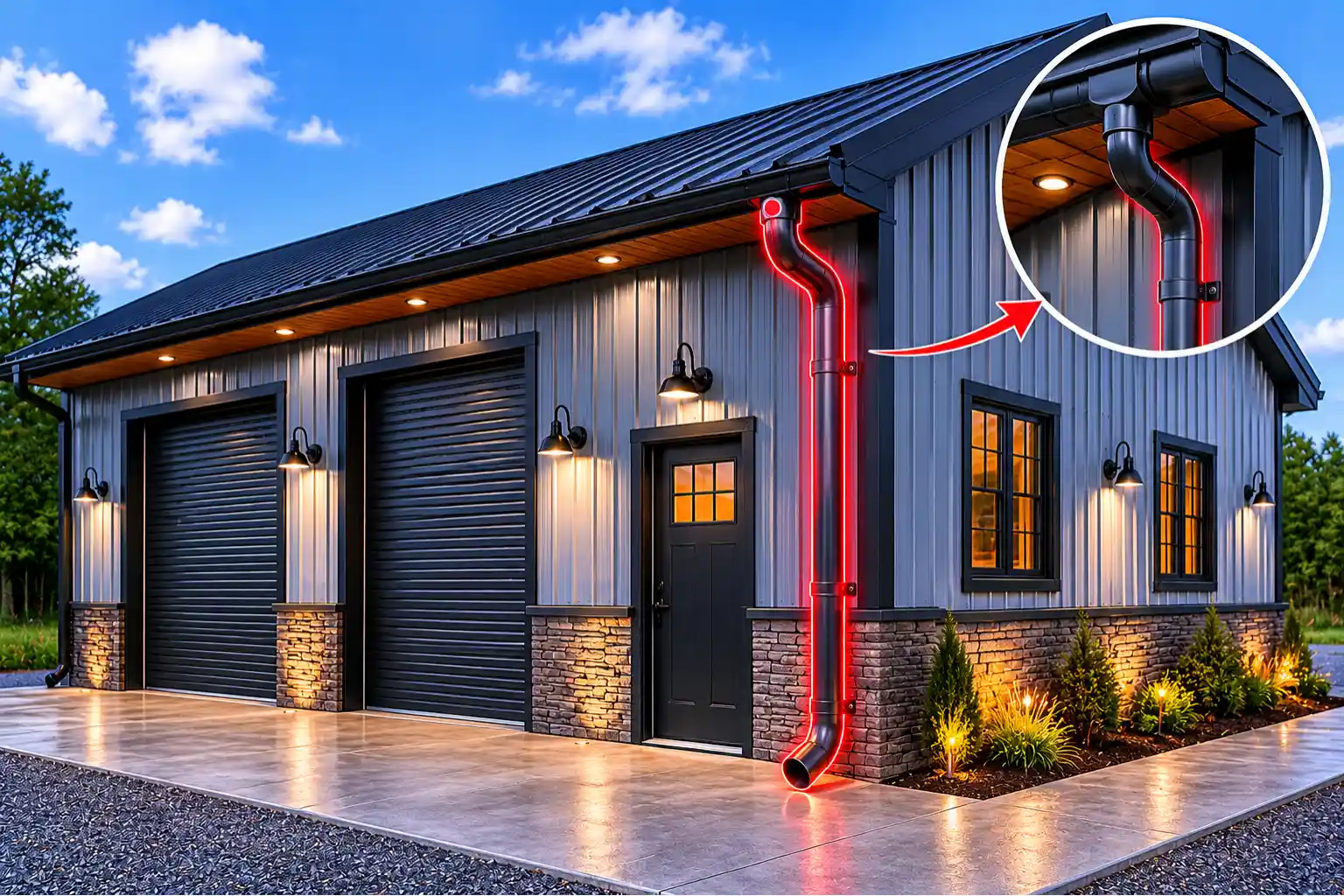
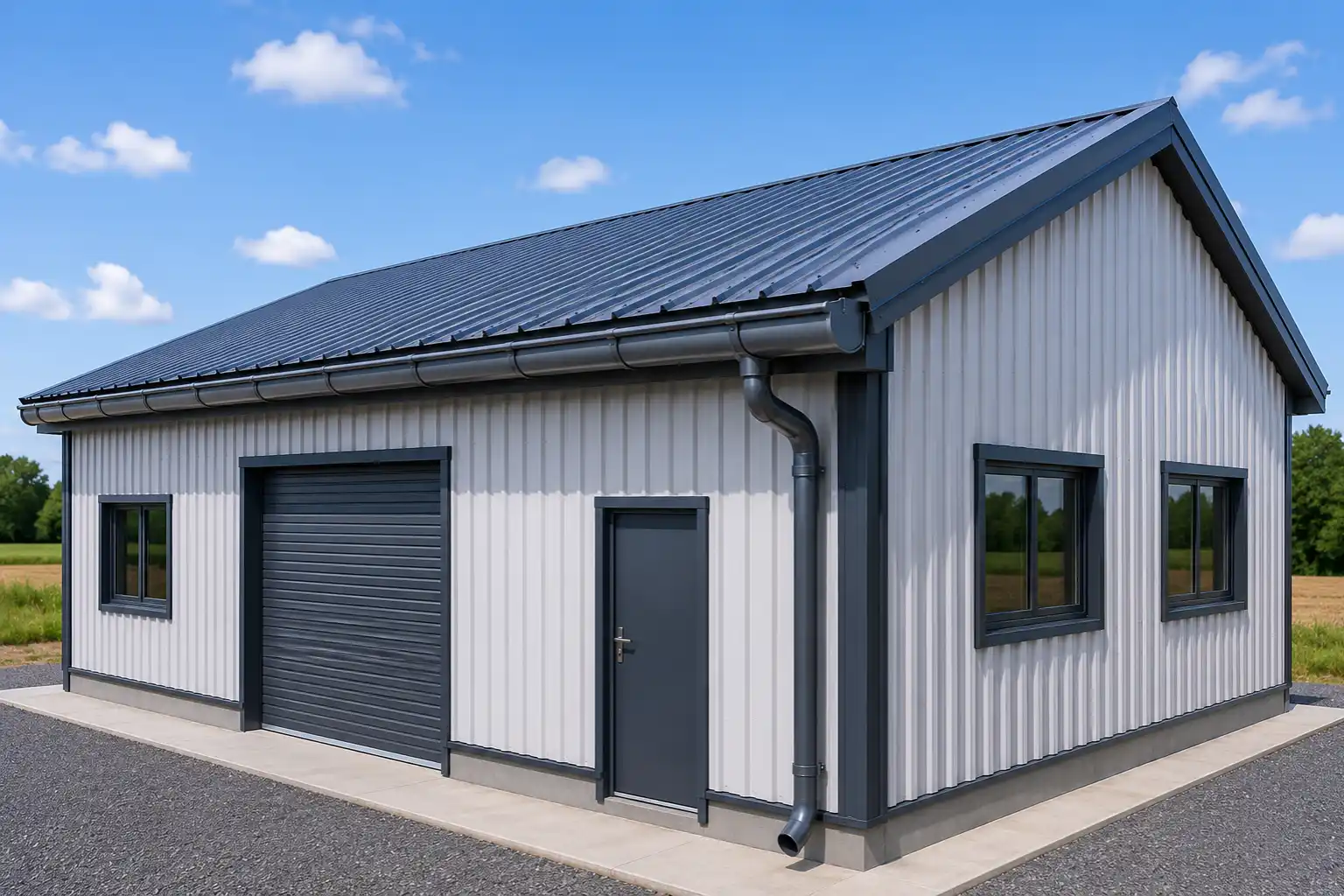
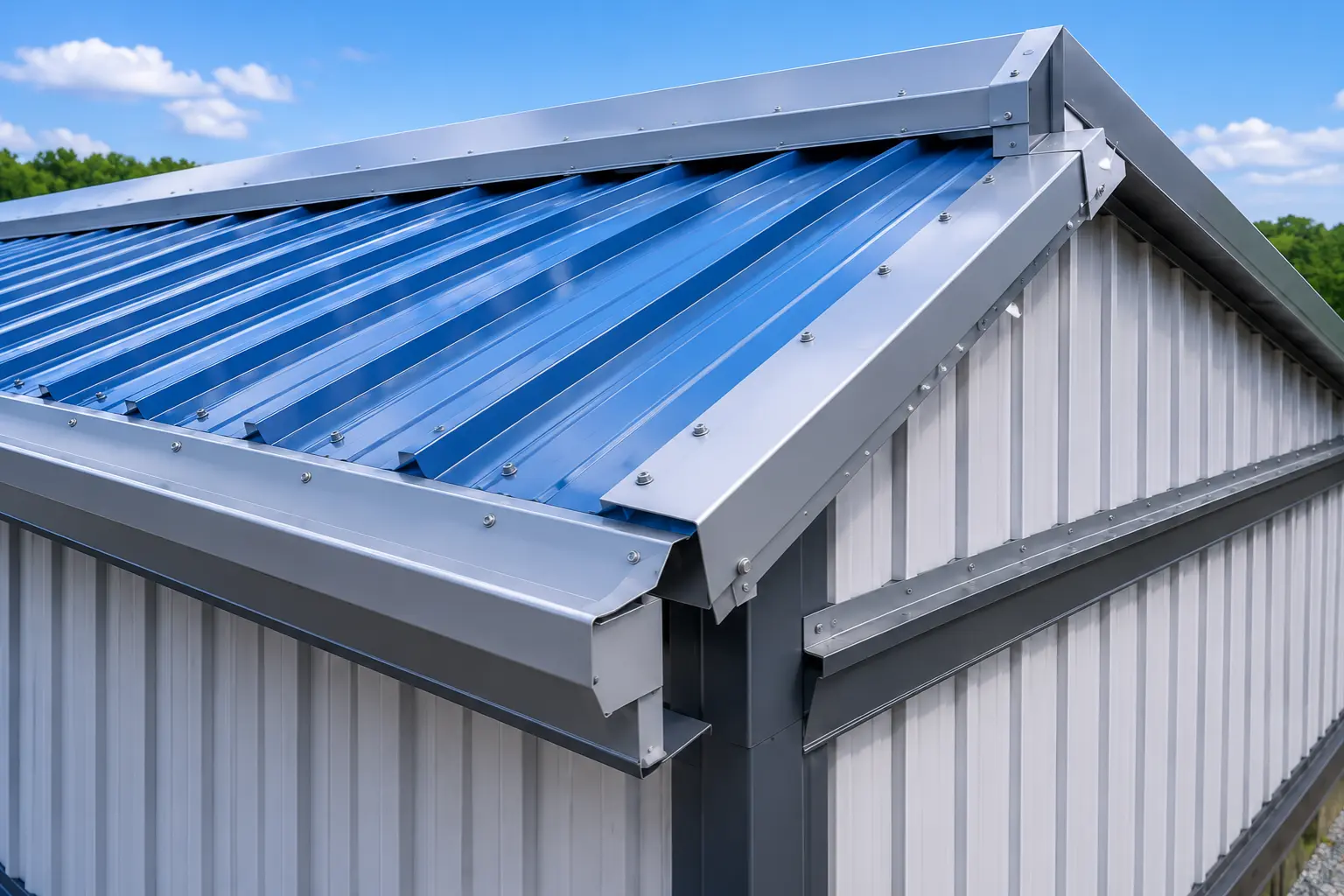
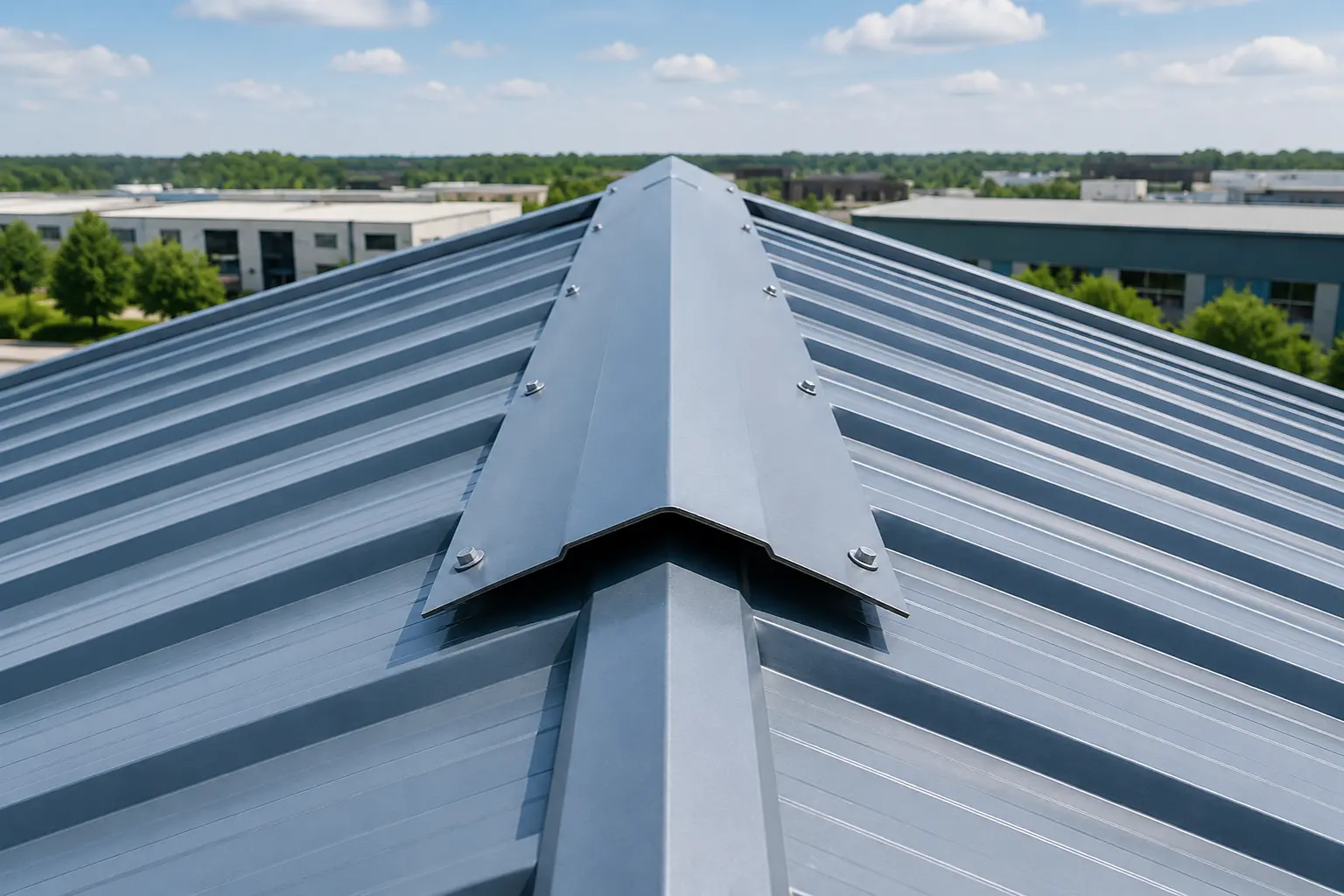
A steel warehouse is a large pre-engineered structure designed for the storage of goods, materials, or equipment. It is the most commonly built steel structure in the world — valued for its massive interior space, speed of construction, and low cost per square meter.
Technical Reference: These specifications represent typical industry ranges. Every project is engineered individually to local wind, snow, seismic, and load codes. Always confirm with a structural engineer.

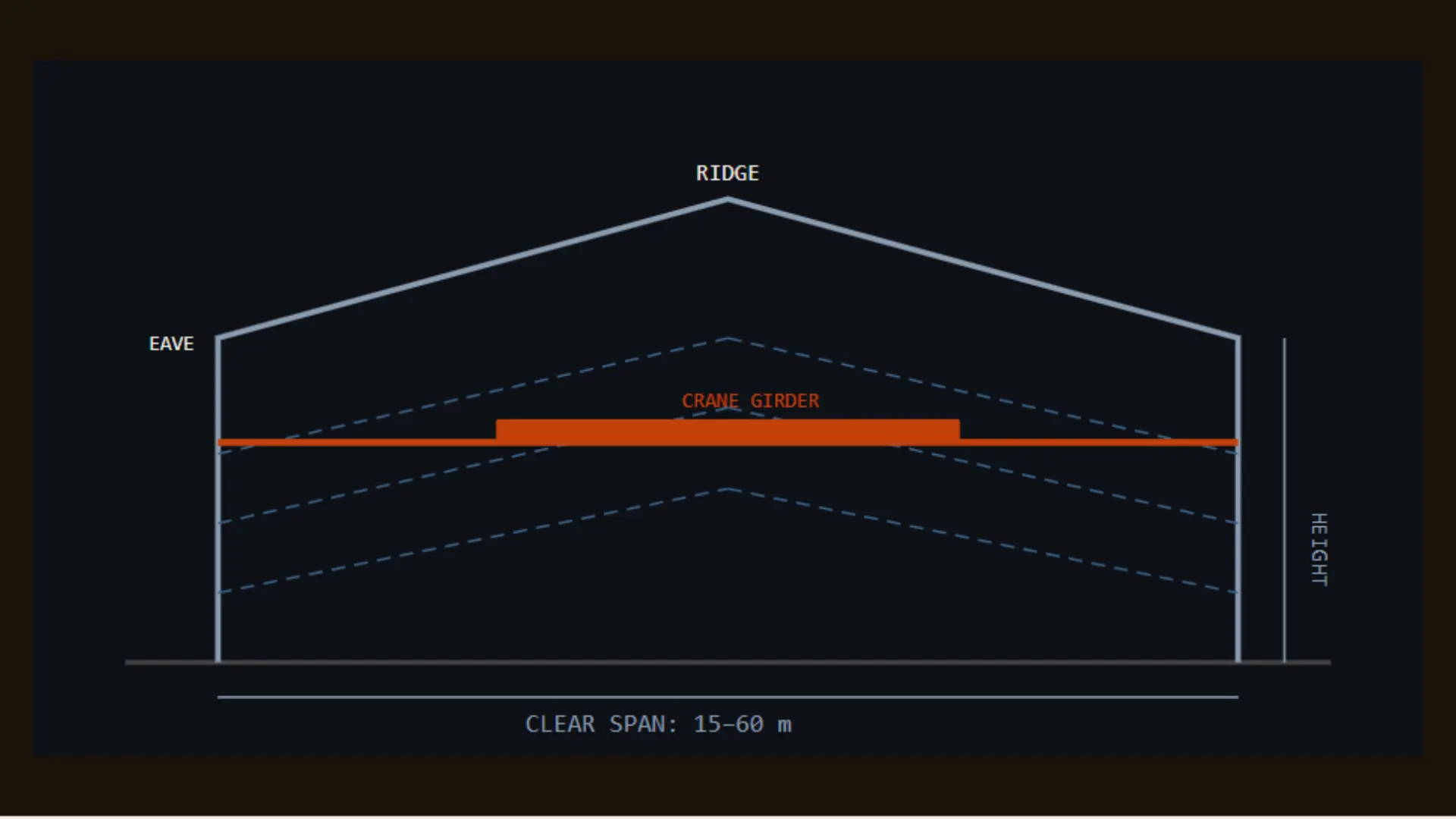
This diagram illustrates the key structural components and design principles of the Steel Warehouse Building. Colors indicate: steel frame, crane/special systems, glazing/translucent, ventilation, connections/doors.


Sales Tip: When prospecting, target industries listed above. Each has specific requirements — understanding their needs helps you position your product as the right solution, not just a generic building.
Frequently Asked Questions
We serve clients across industrial manufacturing, logistics and warehousing, commercial real estate, hospitality, infrastructure, and residential development. If a structure has a steel frame, we can build it.
Absolutely. We regularly fabricate and erect from client-supplied drawings. Our estimating team will review your documentation and provide a detailed quote. We can also offer value engineering suggestions to optimize cost without compromising structural performance.
WellDone Steel is ISO 9001 certified for quality management. Our welding procedures are certified to EN ISO 3834, and all structural steel supplied meets EN 10025 and relevant national building standards. Full documentation is provided with every project.
Timelines depend on project scope. A standard industrial building of 5,000–10,000 m² typically takes 12–18 weeks from contract award to structural completion. Larger or more complex projects are scheduled individually during the tender phase.
Yes — we are a fully integrated steel contractor. Managing fabrication and erection under one contract eliminates coordination risk, speeds delivery, and gives you a single point of accountability throughout the project.
Yes, but changes may increase costs and delay the timeline. It’s best to finalize designs before work begins.