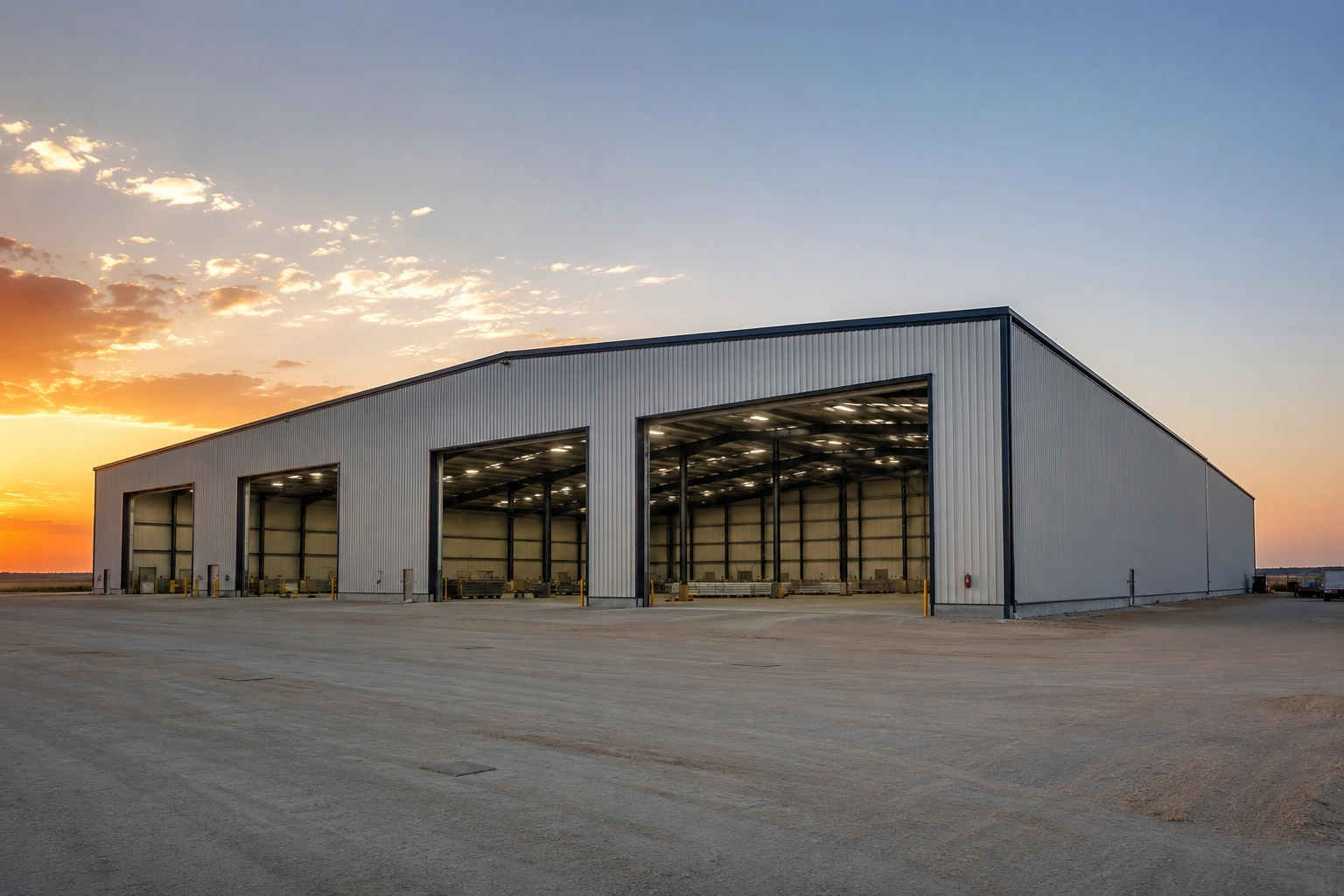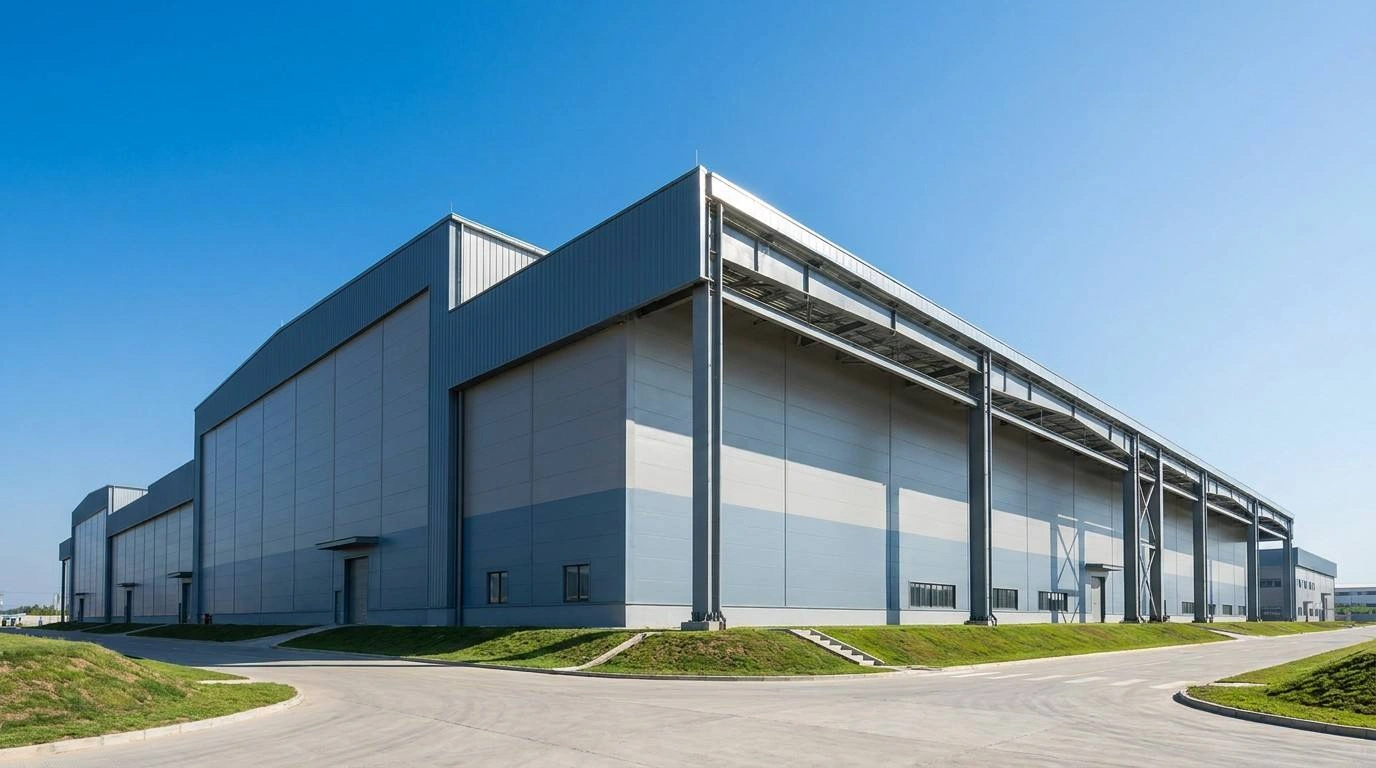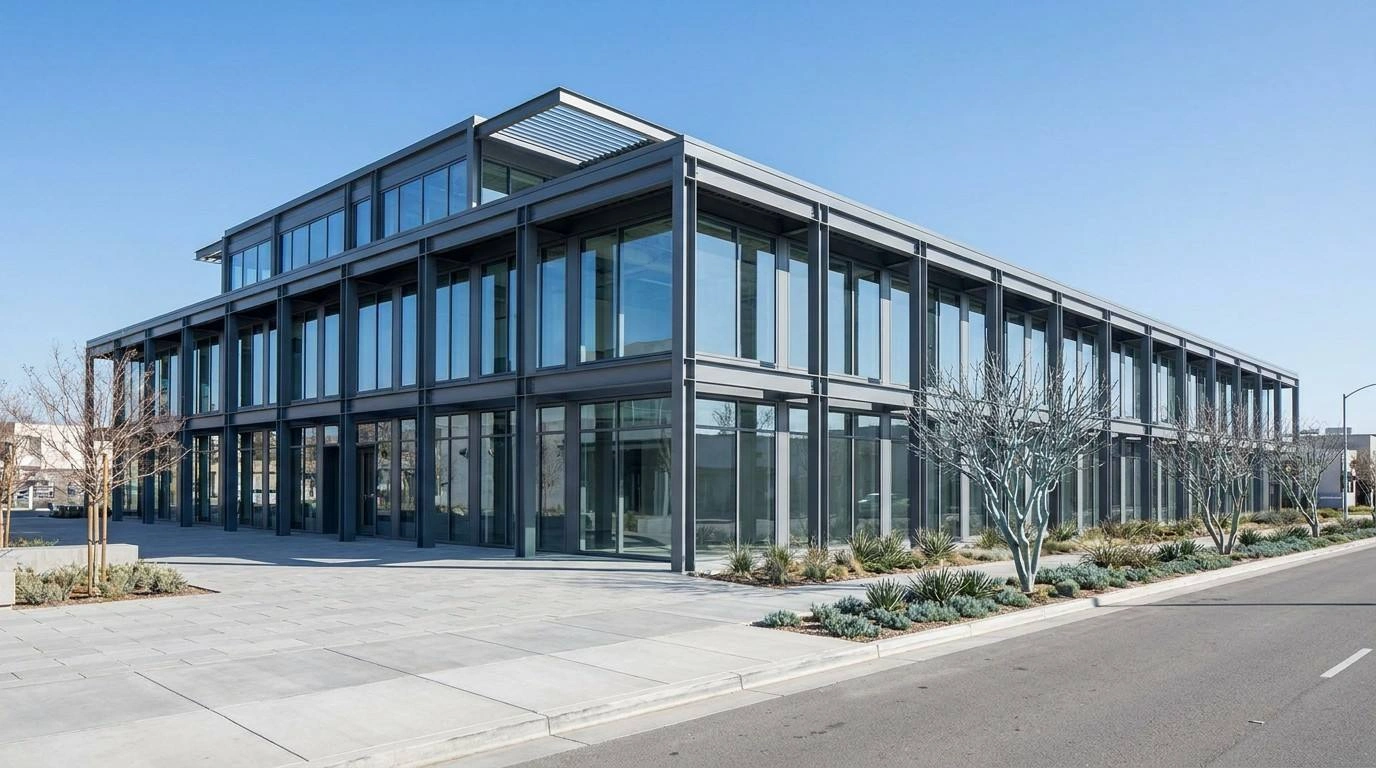
For modern developers, building **commercial steel buildings** is key. In the modern commercial real estate landscape, developers face a constant balancing act between structural integrity, architectural flexibility, and strict capital control. whether you are planning a multi-story retail complex, a regional office headquarters, or a mixed-use commercial park, your primary structural material determines the long-term ROI of your asset.
Today, high-quality commercial steel buildings have completely redefined the standards of modern property development. Let’s dive deep into why developers are choosing structural steel and prefabricated systems over conventional concrete structures to accelerate timelines and maximize rentable area.
1. Why Commercial Steel Buildings Win Over Concrete
For decades, concrete was the traditional choice for multi-story structures. However, modern engineering has made the commercial metal building the preferred choice for commercial developers globally due to several distinct structural advantages:
- Speed of Construction: Unlike concrete, which requires on-site forming, pouring, and extensive curing time, a prefabricated commercial building is pre-engineered and manufactured in a controlled factory environment. Erection on-site is highly streamlined, reducing construction timelines by 30% to 50%.
- Superior Strength-to-Weight Ratio: Structural steel allows for longer clear spans and wider column spacing in accordance with AISC steel construction standards. This means you can create expansive, column-free interior spaces that offer infinite layout flexibility for commercial tenants.
- Architectural Flexibility: Modern steel design supports complex geometric shapes, large glass facades, and cantilevered sections that are difficult or cost-prohibitive to achieve with reinforced concrete.
2. Speed Translates Directly into Project Financing Savings
When evaluating commercial steel building construction costs, smart developers perform a comprehensive lifecycle assessment rather than looking solely at initial material prices.
In B2B real estate, every week of construction delay is a week of interest accumulating on commercial construction loans, with zero offsetting rental income.
Time Saved (Months)×(Monthly Financing Interest+On-site Overhead)=Direct Developer Profit
By adopting pre-engineered steel frames:
- Fast-Track Civil Works: While site preparation and foundation pouring are underway, your steel structural frame is fabricated in Welldone Steel’s factory.
- Lighter Foundations: Steel frames are significantly lighter than concrete, leading to less excavation and concrete usage in the footing, saving up to 15% on overall foundation costs.
- Rapid On-Site Assembly: Pre-drilled and pre-marked steel components are bolted together quickly on site, keeping labor overhead to an absolute minimum.
3. Structural Design Best Practices for Steel Buildings Commercial Projects
To maximize your steel buildings commercial development budget, ensure your design team integrates these engineering practices during the conceptual phase:
- Early Fabricator Collaboration: Involve your steel fabrication partner during the schematic design phase. This ensures your architectural vision matches standardized mill lengths and structural shapes, bypassing high customization fees.
- Integrated MEP Passages: Design structural beams with pre-punched web openings. This allows mechanical, electrical, and plumbing (MEP) systems to run through the structural members rather than under them, maximizing valuable floor-to-ceiling heights.
- Cladding System Integration: Pre-engineered commercial steel frames easily integrate with modern insulated sandwich panels, energy-efficient curtain walls, and glass facades to ensure superior thermal and acoustic performance.
Conclusion: Partner with Welldone Steel for Your Next Landmark
Selecting the right partner for your commercial development is critical to your project’s financial and structural success. At Welldone Steel, we utilize state-of-the-art CAD/BIM modeling and precision fabrication to deliver commercial steel buildings that minimize on-site labor, optimize structural steel usage, and maximize your asset’s long-term market value.
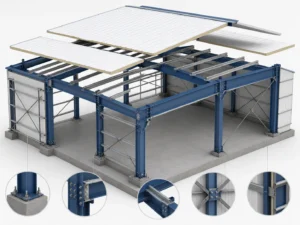
For modern B2B developers, commercial steel buildings represent an incredibly lucrative investment. Our custom pre-engineered commercial steel buildings are designed to regional building permit standards. Partner with Welldone Steel to design your next commercial steel buildings project.