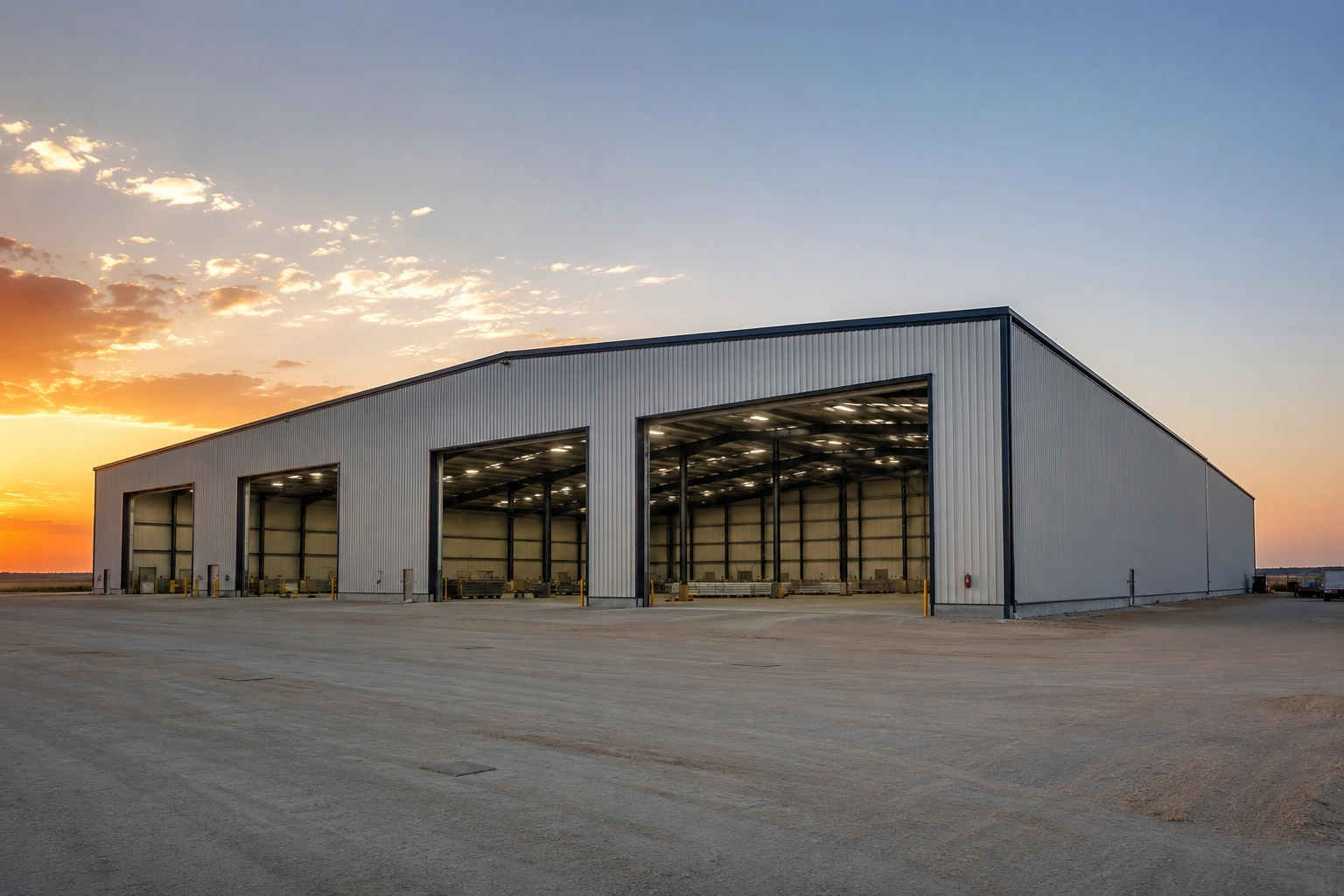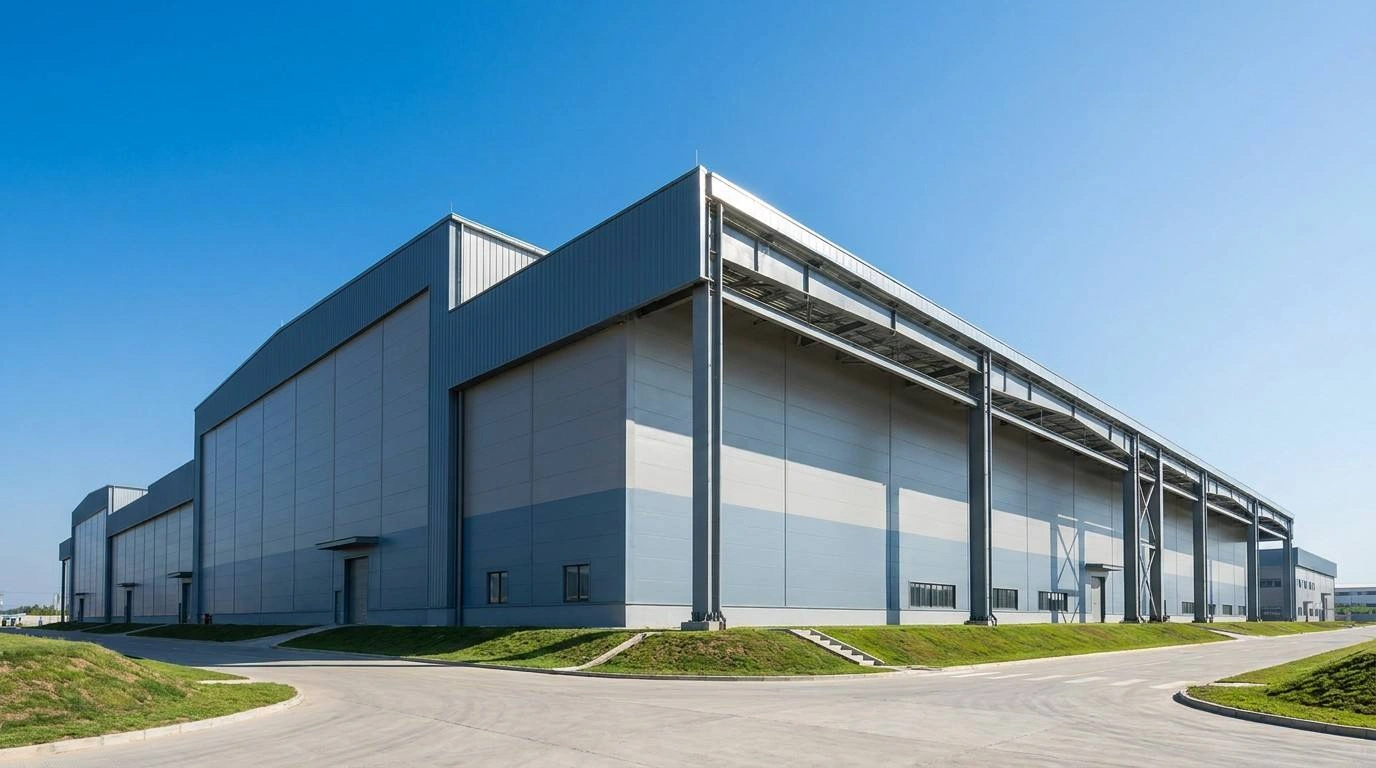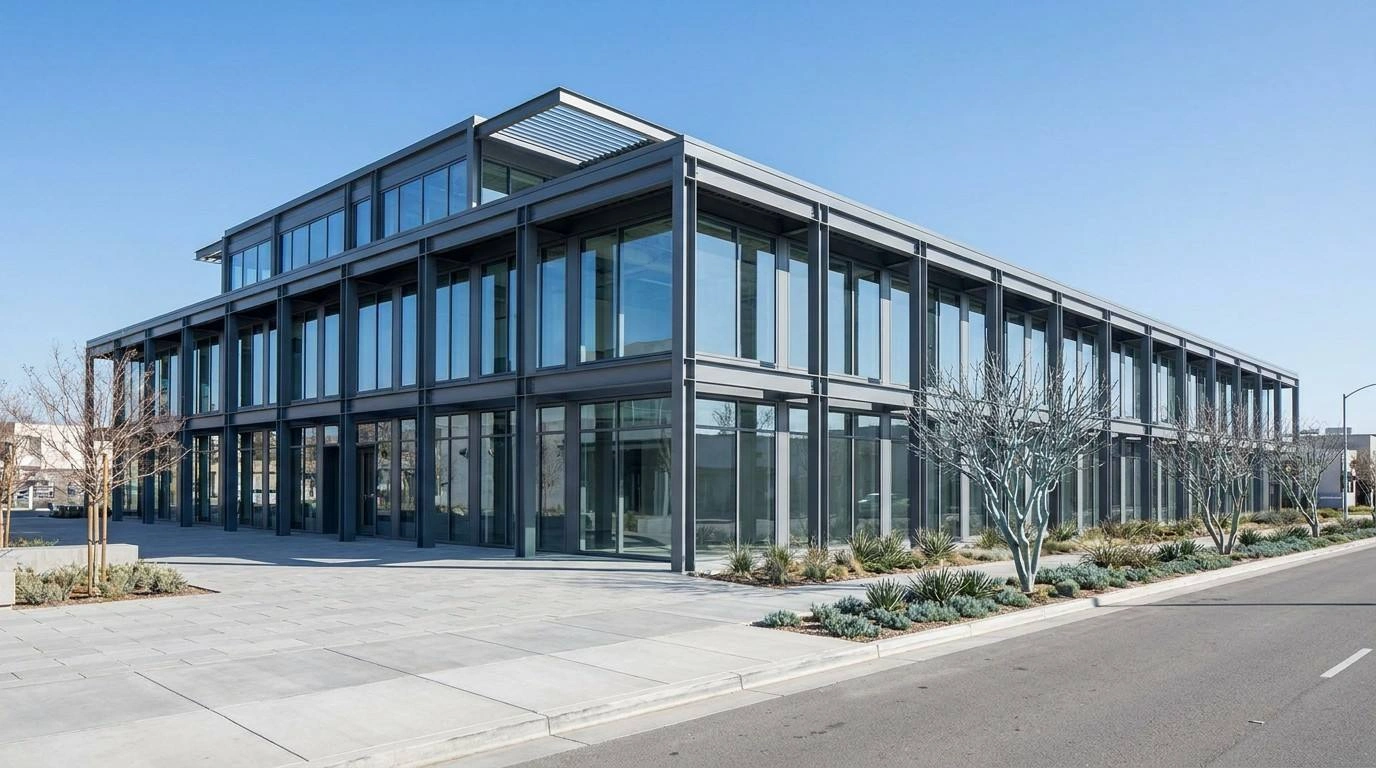
A custom **steel warehouse** is more than a place to store goods.
For many companies, it is the center of daily operations. It affects delivery speed, inventory control, truck movement, labor efficiency, product safety, and future business growth.
That is why choosing the right steel warehouse is such an important decision.
A well-designed steel warehouse can help your business run smoothly for many years. A poorly planned warehouse can create problems every single day. It may be too small, too low, hard to expand, difficult for trucks, expensive to maintain, or unsuitable for your products.
In this guide, we will explain how to choose the right steel warehouse for your business in a practical and easy-to-understand way.
Understand Your Business Needs First
Before asking for a warehouse construction quotation, you should first understand what the building needs to do.
Many buyers start by saying, “I need a 2,000 square meter warehouse.” But size alone is not enough. A good steel warehouse design should be based on your business operation.
Ask yourself:
- What products will be stored?
- Are the goods dry, cold, heavy, fragile, or dangerous?
- How many trucks enter the site daily?
- Do you need loading docks?
- Will you use forklifts?
- Do you need pallet racks?
- What is the required indoor height?
- Do you need office space inside?
- Will the warehouse expand later?
- What local weather conditions must the building handle?
A steel warehouse for e-commerce storage is different from a warehouse for steel coils. A food storage warehouse is different from a spare parts warehouse. A logistics center is different from a factory storage building.
The better you understand your operation, the better your warehouse will perform.
Plan to Choose the Right Steel Warehouse Size Carefully
Warehouse size is one of the first decisions, but it should not be guessed.
You need to calculate storage area, movement area, loading area, office area, and safety clearance. Many warehouse owners make the mistake of planning only the storage area. Later, they realize that forklifts, workers, trucks, and packing areas also need space.
Width and Length
The width and length affect the building layout. A large span steel warehouse can create open space without many interior columns, which is helpful for storage racks and forklift movement.
If your operation needs flexible layout, choose a clear-span or large-span steel structure. This gives you more freedom inside the building.
Height
Height is very important.
A higher warehouse can store more goods vertically, especially with pallet racking systems. But higher buildings also need proper structural design, wind load calculation, and sometimes stronger steel members.
Do not choose height only by price. Choose it based on storage method and future needs.
Doors and Loading Docks
Door size and loading dock position affect daily efficiency.
If trucks need to load and unload quickly, the warehouse should include enough loading bays, roller shutter doors, dock levelers, and truck turning space.
A beautiful warehouse with poor truck access will still create daily problems.
Consider the Location and Site Conditions
The warehouse location affects design and construction.
A good steel engineering team will ask about local conditions before finalizing the design. These conditions may include:
- Wind load
- Snow load
- Earthquake requirements
- Soil condition
- Rainfall level
- Drainage
- Corrosion environment
- Local building codes
- Road access
- Nearby utilities
For example, a coastal warehouse may need stronger anti-corrosion treatment. A warehouse in a high-wind area may need special bracing and stronger roof systems. A warehouse in a hot region may need insulation and ventilation.
Site condition is not a small detail. It affects safety, cost, and long-term performance.
Think About Future Expansion
Business owners often build for today, then regret it later.
If your company is growing, you should plan future expansion from the beginning. A steel warehouse can be expanded more easily than many traditional buildings, but only if the first design allows it.
You may want to reserve space for:
- Longer warehouse extension
- Additional building bays
- More loading docks
- Extra office area
- Mezzanine floor
- Cold storage section
- Solar panel system
- Future production area
Even if you do not build everything now, planning early can save money later.
For example, the building orientation, column layout, end wall design, and drainage system can all affect future expansion. A small design decision today may make expansion easier or harder in five years.
Choose the Right Materials
Material quality has a direct impact on warehouse safety and service life.
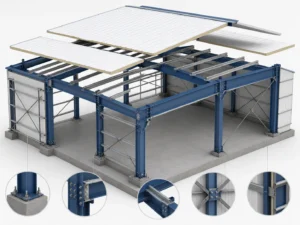
A steel warehouse usually includes the main steel frame, secondary steel members, roof panels, wall panels, doors, windows, bolts, insulation, gutters, and accessories.
Main Steel Frame
The main frame includes columns and beams. It must be designed according to the building size, load requirements, and local conditions.
Purlins and Bracing
Purlins support roof and wall panels. Bracing helps the structure resist wind and other forces. These parts may look simple, but they are important for stability.
Roof and Wall Panels
Panel choice depends on the building use. Common options include single metal sheets and insulated sandwich panels. If you need better temperature control, insulated panels are usually better.
Coating and Anti-Rust Protection
Anti-rust treatment is very important, especially for humid, coastal, or chemical environments. Proper surface treatment and paint coating help protect the steel structure.
Pay Attention to Safety Standards
Safety should never be treated as an optional extra.
A warehouse must be designed to handle local loads and daily use. This includes wind, snow, seismic forces, roof loads, equipment loads, and sometimes fire safety requirements.
For international projects, the supplier should provide engineering drawings and clear technical documents. If needed, third-party inspection can also be arranged before shipment.
A safe warehouse starts with good design and continues through fabrication, packing, shipping, and installation.
Choose the Right Contractor
The contractor or supplier you choose will affect the whole project.
A good steel warehouse supplier should not only sell steel. They should help you understand the project, check technical details, provide design support, fabricate accurately, pack clearly, and guide installation.
When choosing a contractor, check:
- Steel structure project experience
- Engineering design ability
- Fabrication capacity
- Quality control process
- Material certificates
- Export experience
- Installation guidance
- Communication speed
- Project photos or case studies
- After-sales support
Good communication is especially important for international projects. If a supplier is slow before the order, they may be even slower after payment. Choose a team that responds clearly and professionally.
Common Mistakes to Avoid
Mistake 1: Choosing Only by Lowest Price
The cheapest warehouse may become expensive later if the design is weak, materials are poor, or installation is difficult. Always ensure structural materials comply with ASTM international quality regulations. Always ensure structural materials comply with ASTM international quality regulations. Always ensure structural materials comply with ASTM international quality regulations. Always ensure structural materials comply with ASTM international quality regulations. Always ensure structural materials comply with ASTM international quality regulations.
Price matters, but value matters more.
Mistake 2: Ignoring Future Growth
If your warehouse is already full in the first year, the design was too small. Plan for future growth when possible.
Mistake 3: Not Considering Loading Flow
Storage is only one part of warehouse use. Truck movement, forklift lanes, packing areas, and loading docks are also important.
Mistake 4: Choosing the Wrong Roof and Wall Panels
A dry storage warehouse and a temperature-controlled warehouse need different panel systems. Choose materials based on product needs, selecting certified panels from high-quality insulation sandwich panel manufacturers.
Mistake 5: Poor Installation Planning
Even good steel components can cause problems if the installation plan is unclear. Make sure the supplier provides drawings, packing marks, and technical guidance.
Why Steel Warehouses Are a Smart Choice
Steel warehouses are popular because they are fast to build, flexible, strong, and easy to expand.
They can be used for many industries, including logistics, e-commerce, manufacturing, agriculture, retail storage, cold chain, and industrial distribution.
For investors, a steel warehouse also offers good rental flexibility. Different tenants can use the same building with small adjustments. That makes the building more valuable over time.
Conclusion
Choosing the right steel warehouse is not only about size and price. It is about designing a building that supports your business operation, protects your goods, improves efficiency, and allows future growth.
Before starting your warehouse construction project, think carefully about your storage needs, site conditions, expansion plan, material quality, safety standards, and contractor selection.
To choose the right steel warehouse for your logistical needs, you must carefully evaluate span sizing and wind loads. We help B2B clients choose the right steel warehouse with millimeter engineering precision. Contact us to choose the right steel warehouse for your business.
To design the best steel warehouse for your logistical needs, you must carefully evaluate span sizing and wind loads. We help B2B clients manufacture a high-capacity steel warehouse with millimeter engineering precision. Contact Welldone Steel to plan your next steel warehouse project.
To design the best Steel Warehouse for your logistical needs, you must carefully evaluate span sizing and wind loads. We help B2B clients manufacture a high-capacity Steel Warehouse with millimeter engineering precision. Contact Welldone Steel to plan your next Steel Warehouse project.