Why Large Span Steel Buildings Are the Future of Industrial Construction
Industrial construction is changing fast.
Businesses today need buildings that are bigger, stronger, faster to build, and easier to adapt. A factory may need space for production lines today and automated equipment tomorrow. A logistics company may need open storage today and loading systems next year. A warehouse investor may want a building that can serve different tenants over time.
This is exactly why the large span steel building has become one of the most practical choices in modern industrial construction.
Compared with many traditional building methods, large span steel structures give companies something very valuable: open space without unnecessary interior columns. That means better movement, easier planning, and more usable floor area.
For business owners, this is not just an engineering detail. It directly affects daily operations, storage capacity, workflow, safety, and long-term return on investment.
What Is a Large Span Steel Building?
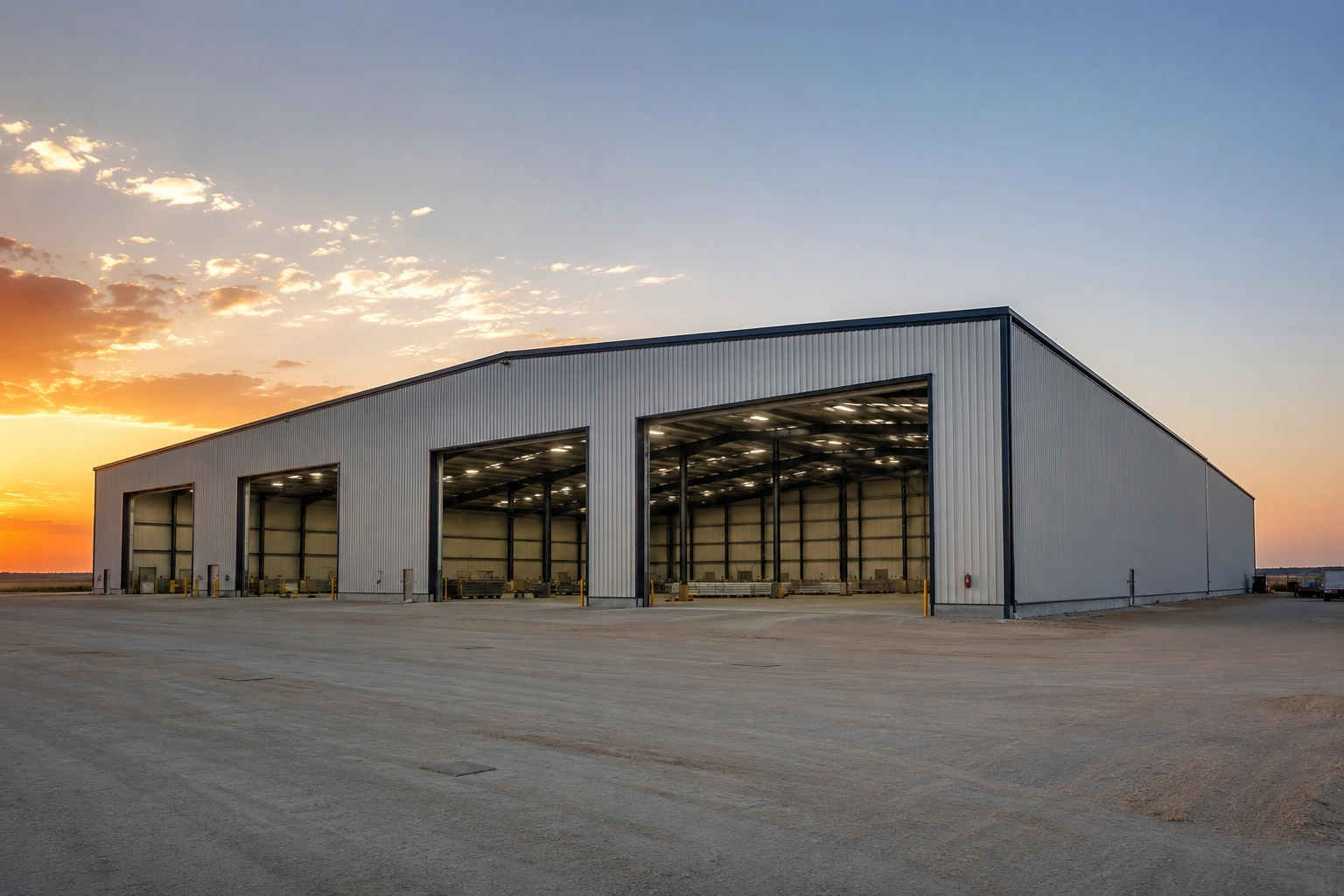
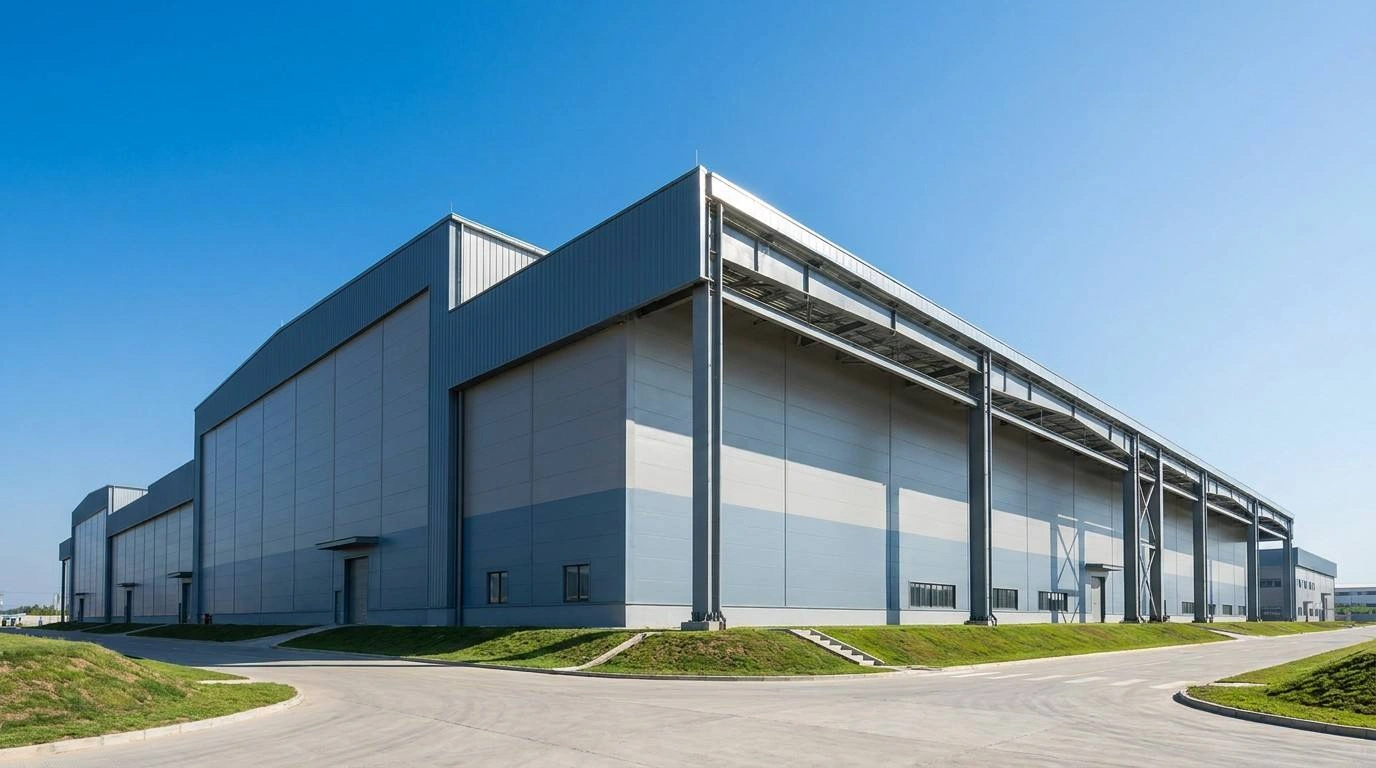
A large span steel building is a steel structure designed to cover a wide area with fewer internal supports. In simple words, it creates a large open space inside the building.
The main structure is usually made from steel columns, steel beams, roof bracing, wall bracing, purlins, and metal roof and wall panels. Depending on the project, it may also include insulation panels, skylights, ventilation systems, crane beams, mezzanine floors, loading docks, and large industrial doors.
Large span steel buildings are commonly used for:
- Industrial warehouses
- Factory buildings
- Manufacturing workshops
- Logistics centers
- Aircraft hangars
- Sports halls
- Exhibition buildings
- Storage facilities
- Agricultural buildings
- Commercial steel buildings
The biggest advantage is clear interior space. In many industrial projects, columns inside the building can become a problem. They may block forklifts, reduce storage efficiency, limit machine layout, or make future expansion harder. A large span steel structure solves many of these problems from the beginning.
Why Large Span Steel Buildings Matter for Industrial Projects
A building is not only a shelter. For many companies, it is part of the production system.
A warehouse must support fast loading and unloading. A factory must allow smooth material flow. A workshop must leave enough room for machines, workers, cranes, and safety zones. A logistics center must handle trucks, forklifts, racks, and inventory without bottlenecks.
Large span steel buildings help because they give businesses more freedom inside the building. Instead of designing operations around many columns, companies can design the space around their real workflow.
That is why many industrial developers now see steel structure construction as a smarter long-term investment.
Benefits of Large Span Steel Structures
1. More Flexible Interior Space
The first major benefit is flexibility.
With fewer interior columns, the usable space becomes cleaner and easier to organize. A warehouse can use high racking systems. A factory can arrange long production lines. A logistics center can create wider forklift lanes. An aircraft hangar can store large equipment or vehicles without obstruction.
This is especially important for growing companies. Your business today may not look the same in five years. You may add new machines, increase storage, change product lines, or rent the building to a different company. A flexible steel structure building gives you more options.
2. Faster Construction Time
Time matters in industrial construction.
Every month of delay can mean lost production, delayed orders, higher rental costs, or missed business opportunities. Large span steel buildings are often faster to build because many components can be fabricated in the factory before arriving at the job site.
The columns, beams, bracing, purlins, and panels can be prepared according to the engineering drawings. Once the foundation is ready, the steel frame can be installed quickly.
This helps business owners open their warehouse, factory, or workshop sooner.
A faster construction schedule also reduces pressure on the whole project. Contractors spend less time on site. Weather delays may be reduced. Project management becomes easier. For international projects, prefabricated steel components can also simplify transportation and installation planning.
3. Cost Savings Over the Project Life
Some buyers only compare the initial price of different building systems. But smart investors look at the full project cost.
A large span steel building can help save money in several ways:
- Shorter construction period
- Reduced labor time on site
- Less material waste from factory fabrication
- Efficient use of interior space
- Easier future expansion
- Lower modification cost
- Durable structure with long service life
For example, if a steel warehouse gives you better racking layout and more storage capacity, you may need less land or less building area for the same operation. That is a real cost saving.
If a factory building can be expanded later without heavy demolition, that also saves money. The value is not only in the steel frame. The value is in how the building supports business growth.
4. Strong Durability
Steel is widely used in industrial buildings because it is strong, reliable, and suitable for large structural loads.
A properly designed steel structure can handle heavy wind, roof loads, equipment loads, and daily industrial use. For factories and workshops, steel frames can also support crane systems, high-bay spaces, and large doors.
Of course, durability depends on good engineering, material quality, fabrication accuracy, anti-rust treatment, and correct installation. This is why choosing the right steel engineering partner is so important.
At WellDone Steel, every project starts with understanding the client’s actual use. A warehouse for dry goods, a coastal logistics center, and a heavy-duty factory building may all need different design details. Good design prevents problems later.
5. Easy Expansion
Many businesses start with one building and later need more space.
Traditional buildings can be difficult and expensive to expand. Large span steel buildings are often easier to extend because the structure can be planned with future expansion in mind.
For example, a warehouse investor may build 5,000 square meters first and reserve land for another 5,000 square meters later. A manufacturer may start with one workshop bay and add another bay when production increases.
This is one of the biggest reasons companies choose steel structure construction. It allows the building to grow with the business.
Real-World Applications
Industrial Warehouses
Large span steel warehouses are ideal for storage, distribution, e-commerce, and logistics operations. They allow efficient pallet racking, wide forklift movement, and large loading areas.
Factory Buildings
Manufacturing companies need practical space. Steel factory buildings can be designed for production lines, raw material storage, finished goods areas, office sections, and crane systems.
Workshop Buildings
Steel workshop buildings are common for machinery repair, metal fabrication, vehicle maintenance, and industrial production. The large open space makes equipment layout easier.
Aircraft Hangars
Aircraft hangars require wide clear spans and large doors. Steel structures are a strong choice because they can cover large areas while keeping the interior open.
Commercial Steel Buildings
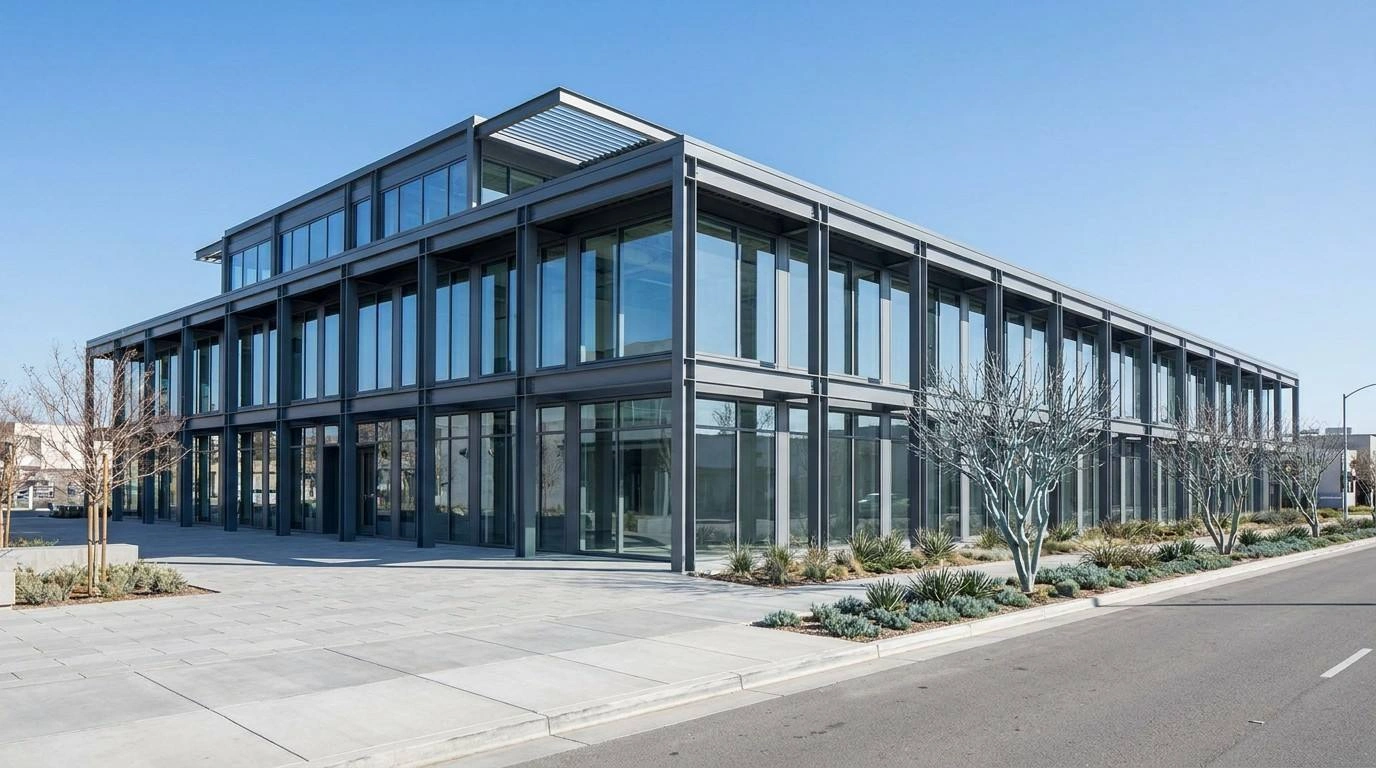
Commercial steel buildings can be used for showrooms, retail warehouses, markets, and exhibition spaces. With modern cladding and glass facade options, steel buildings can look professional and attractive.
Why Businesses Are Choosing Steel
Businesses choose steel because they need speed, strength, and flexibility.
A business owner does not want a building that limits future decisions. A logistics company does not want columns blocking truck flow. A factory manager does not want a structure that makes equipment installation difficult. A warehouse investor does not want a building that becomes outdated quickly.
Steel solves many of these problems.
A well-designed industrial steel building can support daily operations, reduce project delays, and create long-term value. It also gives developers more design freedom, especially for large space requirements.
What to Consider Before Starting a Large Span Steel Building Project
Before building, you should prepare several key details:
Building Size
Decide the required width, length, height, and usable area. Also consider loading docks, office rooms, and future expansion.
Local Conditions
Wind load, snow load, earthquake requirements, soil condition, and local building codes all affect the design.
Building Use
A warehouse, factory, aircraft hangar, and commercial building have different structural requirements. The building should be designed around real use, not just appearance.
Material and Coating
Steel grade, panel type, insulation, anti-corrosion coating, bolts, and roof drainage should match the project environment.
Installation Plan
For international clients, clear installation drawings, packing lists, and technical guidance are very important. A good supplier should support the project from design to delivery and installation.
Conclusion
Large span steel buildings are becoming the future of industrial construction because they solve real business problems. They offer wide open space, faster construction, durable structure, cost savings, and easy future expansion.
For warehouses, factories, workshops, logistics centers, aircraft hangars, and commercial steel buildings, a large span steel structure gives owners the freedom to build smarter.